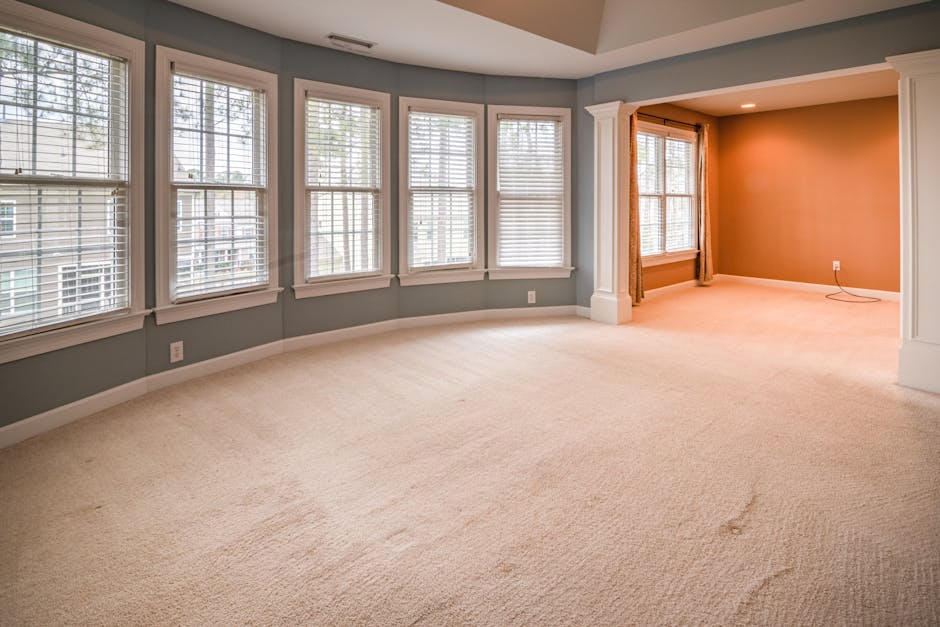
Real cost of carpet cleaning in Harringay for flats
If you live in a flat in Harringay, the price of carpet cleaning can feel oddly hard to pin down. One quote sounds fair, the next feels suspiciously low, and then there are the little extras people only mention after the appointment is booked. The real cost of carpet cleaning in Harringay for flats is not just about square metres or number of rooms. It also depends on access, floor level, parking, drying time, stains, pet issues, and whether you need a quick freshen-up or a proper deep clean.
This guide breaks everything down in plain English. You will see what typically changes the price, how flat-specific factors affect the job, where hidden charges creep in, and how to judge whether a quote is genuinely good value. If you are comparing options, or just trying to avoid paying more than you should, this should help you make a calmer decision. Truth be told, carpet cleaning is one of those jobs where the smallest detail can change the bill.
We will also look at the practical side: when flat residents in Harringay usually need carpet cleaning, what to ask before booking, and how to get better results without overspending. And yes, sometimes the cheapest option is the one that ends up costing more. Annoying, but true.
- Why it matters
- How pricing and cleaning works
- Key benefits and practical advantages
- Who this is for and when it makes sense
- Step-by-step guidance
- Expert tips for better results
- Common mistakes to avoid
- Tools, resources and recommendations
- Law, compliance, standards, or best practice
- Options, methods, or comparison table
- Case study or real-world example
- Practical checklist
- Conclusion
- Frequently asked questions
Why Real cost of carpet cleaning in Harringay for flats Matters
Let's face it: in a flat, carpets do a lot of work. They take the foot traffic from the hallway, absorb cooking smells drifting in from the kitchen, and collect the everyday dust that seems to appear from nowhere. In Harringay, flats range from compact studio spaces to converted period homes and newer developments, so the cost question is rarely one-size-fits-all.
Why does the real cost matter so much? Because a vague quote can hide the things that matter most to you. You might think you are paying for a simple room clean, only to discover that the price rises once the technician sees tight stair access, limited parking, or heavy staining near the sofa. In flats, those small complications are common. They are not always dramatic, just quietly inconvenient.
The real cost also matters because flat cleaning is often done for a specific reason: end of tenancy, move-in prep, routine upkeep, pet odour removal, or a post-renovation tidy-up. Each of those jobs has a different level of effort. A lightly lived-in flat with standard synthetic carpet is a very different story from a busy family home with old wool carpet and a hallway that gets muddy every wet week.
If you are comparing services, look beyond the headline price. Ask what the quote includes, whether stain treatment is extra, and whether there is a minimum charge. Those details make the difference between a good deal and an awkward surprise.
Expert summary: In Harringay flats, carpet cleaning price is shaped less by the postcode itself and more by the practical realities of access, room count, carpet condition, and the level of finish you actually want.
How Real cost of carpet cleaning in Harringay for flats Works
Most carpet cleaning jobs in flats follow a pretty similar process, but the pricing can be built in a few different ways. Some companies charge by room, some by area, and some by a minimum job price with add-ons for stairs, stains, or upholstery. The method matters, because the quote you see on the page may not be the total you pay on the day.
In practice, the cleaner usually starts by assessing the carpet type, the amount of dirt, and any trouble spots. Then they decide on the best method. For many flats, hot water extraction is common. People often call it steam cleaning, even though it is usually a controlled hot water process rather than actual steam. There are also low-moisture and dry-cleaning style methods, which may suit delicate fibres or situations where fast drying is important.
The cost tends to rise when the job needs more labour or more time. That can include moving light furniture, working around tight spaces, treating pet stains, or giving one room an extra pre-spray and agitation. If a cleaner has to carry equipment up several flights of stairs, that can also nudge the price. Not always dramatically, but enough to notice.
Here is the simple version: the quote is usually shaped by size, soil level, access, and service level. The more complex the flat, the more time and effort involved. And time, in this line of work, is money.
| Pricing factor | What it means in a flat | Possible effect on cost |
|---|---|---|
| Room count | More bedrooms, hallways, or reception rooms to clean | Higher overall price |
| Access | Stairs, no lift, tight corridors, awkward entry | May increase labour time |
| Carpet condition | Light wear vs heavy soiling or stains | Extra treatment may cost more |
| Flat size | Studio, one-bed, two-bed, or larger | Price usually scales up |
| Drying needs | Need for faster drying or low-moisture method | Special methods may cost more |
| Extras | Deodorising, stain removal, furniture moving | Often added on separately |
It is also worth knowing that some cleaners build value into the quote. They may include pre-treatment, deodorising, or a more thorough inspection. Others keep the base price low and itemise every little thing. Neither is automatically bad, but you need to know which one you are dealing with.
Key Benefits and Practical Advantages
There are a few solid reasons flat owners and tenants in Harringay book carpet cleaning, and they go beyond simply making the place look nicer. A properly cleaned carpet can change how a flat feels. Fresher air, fewer marks, fewer odours. You notice it the moment you walk in, especially if the flat has been closed up for a while.
- Better appearance: Clean carpets brighten rooms and make small flats feel less tired.
- Improved hygiene: Dust, pollen, and everyday grime are reduced, which is useful in compact living spaces.
- Odour control: Helpful after pets, cooking smells, or long periods of occupancy.
- Lease-end preparation: Useful before inspections, move-outs, or inventory checks.
- Longer carpet life: Regular care can help fibres last longer and look better for longer.
- More predictable budgeting: A clear quote helps you plan instead of guessing.
One practical advantage that gets overlooked is simple peace of mind. If you know the carpet has had a proper clean, you are less likely to worry about passing over a grubby patch every time the light hits it in the afternoon. A tiny thing, perhaps, but tiny things matter in a home.
For landlords and tenants, this can also reduce back-and-forth at the end of a tenancy. A clear, professional clean is easier to explain and easier to trust than a rushed attempt with a rented machine and crossed fingers. We have all seen those patches that look fine while damp, then show up again the next morning. Not ideal.
Who This Is For and When It Makes Sense
This topic matters to a few different people, and each one is usually looking at the price from a slightly different angle.
Tenants often want to know the real cost before moving out or before a landlord inspection. If you are leaving a flat, carpet cleaning may be expected under your tenancy agreement, especially if the carpets are visibly marked or heavily used. The key thing is to compare the cost of cleaning with the possible cost of deductions. That is the real calculation.
Landlords and letting agents usually care about presentation, turnaround time, and consistent standards. In a busy rental market, a fresh carpet can make a flat easier to let. For them, the question is often less "How cheap can this be?" and more "Will it be good enough for the next viewing?"
Homeowners in flats may simply want to reset the space after winter, after pets, or after a long period of daily wear. In smaller homes, carpet dirt can build up faster than people realise. You do not always see it day to day, but you do smell it, especially after rain or in the hallway.
Short-let hosts and regular renters also have a practical reason to care. In turn-key accommodation, a fast, reliable clean can be the difference between a smooth changeover and a late scramble with the hoover at 9pm. Nobody enjoys that.
When does it make sense? Usually when:
- the carpet has visible traffic marks or dull patches;
- there is an odour that vacuuming will not shift;
- you are moving in or out;
- you have pets, children, or allergy concerns;
- you have not had a professional clean in a while;
- you want a more polished finish before guests or viewings.
Step-by-Step Guidance
If you want to understand the price properly, it helps to follow the same steps a professional would use when assessing the job. That way you can compare quotes on the same basis instead of comparing apples with, well, slightly different apples.
- Measure the space realistically. Count the rooms, hallways, and any awkward landings or box rooms. Small spaces still take time.
- Identify the carpet type. Synthetic carpet is usually easier to clean than natural fibres, which may need more care.
- Look at the condition honestly. Are there pet stains, drink marks, ground-in dirt, or just general dullness?
- Check access. Consider stairs, lift access, parking, and how easy it is to bring equipment in.
- Decide what result you want. A light refresh is different from a deep restorative clean.
- Ask what is included. Pre-treatment, deodorising, stain work, furniture shifting, and drying expectations can all affect cost.
- Compare like for like. Do not judge one quote that includes extras against another that does not.
- Confirm timing and drying. In a flat, drying space can be limited. Poor airflow can slow everything down.
A useful rule of thumb: if you cannot explain a quote in one sentence, ask for a clearer breakdown. A professional should be able to tell you exactly what the price covers. If they dodge that question, that is a bit of a warning sign.
One more thing. If you are cleaning before a move-out, schedule it with enough time for drying. A carpet that feels fine at lunchtime can still be damp by evening, especially in a cooler flat with closed windows. It is a small detail, but it can really affect the day.
Expert Tips for Better Results
There are a few practical things that make a noticeable difference to both cost and outcome. These are the details people often skip, and then wonder why the result was only so-so.
- Vacuum properly before the clean: It sounds basic, but dry soil removal helps the cleaning process work better. A quick half-hearted pass is not enough.
- Point out problem areas in advance: If there is a mark near the bed or a pet accident by the sofa, mention it before the technician starts.
- Be honest about carpet age: Old carpets can still clean well, but expectations should be realistic.
- Ask about drying time: Faster drying is often worth paying a little more for, especially in a flat with limited ventilation.
- Move small items first: Lamps, baskets, shoes, and chair cushions can slow things down if left everywhere.
- Open windows if weather allows: In a flat, airflow matters more than people expect.
One practical tip from experience: if a quote seems suspiciously low, check whether it assumes only minimal stain work and very basic access. Cheap can be fine. Cheap and vague? Not so much. You may end up paying extra later, and nobody likes that little sting at the end.
Also, ask about the cleaning method in plain English. You do not need a technical lecture, just enough to know whether the carpet will be shampooed, hot water extracted, or treated with a lower-moisture approach. Different methods suit different situations. A good cleaner can explain this without sounding like they are reading from a manual.
Common Mistakes to Avoid
There are a few pricing mistakes people make again and again when booking carpet cleaning for flats in Harringay. They are easy to avoid once you know what to look for.
- Choosing only on headline price: A low base rate can hide extras for stairs, stains, or parking.
- Not asking about minimum charges: Some cleaners have a minimum fee, which matters for smaller flats.
- Forgetting access details: Third-floor walk-up? Narrow staircase? Mention it early.
- Assuming stain removal is included: It often is not.
- Booking too late before a move: Drying time can be tight, especially in cold or damp weather.
- Not checking what type of carpet you have: Delicate fibres need a more careful approach.
- Ignoring the odour problem: A surface clean may not solve deeper pet smells.
One of the most common issues is under-communicating. The cleaner arrives, sees a completely different job, and suddenly the price has changed. Sometimes that change is fair. Sometimes it is avoidable. Either way, a better briefing usually means a smoother day.
Another mistake is treating all flats the same. A ground-floor flat with easy parking is not the same as a top-floor conversion with no lift and a tight entrance. Those are two different jobs in the real world, even if they look identical on a quote form.
Tools, Resources and Recommendations
You do not need fancy equipment to prepare for carpet cleaning, but a few practical items help a lot.
- Vacuum cleaner: Use it thoroughly before the appointment if possible.
- Microfibre cloths: Handy for quick spot-blotting before the cleaner arrives.
- Fans or open windows: Useful for drying, especially in tighter flats.
- Furniture pads or sliders: Helpful if you need to move light items out of the way.
- Notebook or phone notes: Jot down stains, odours, or problem areas so you do not forget them.
If you want to understand pricing in more detail, start with a provider's pricing and quotes information. It is also worth checking the main carpet cleaning service page to understand what is usually included, and whether your flat needs something more specialised such as steam carpet cleaning or pet stain and odour removal.
If you are comparing broader flat services, you may also find end of tenancy cleaning or deep cleaning useful if the carpet job is part of a larger reset. For less urgent maintenance, regular cleaning can help stop dirt building up in the first place.
And for the trust side of things, the company's insurance and safety information, along with its health and safety policy, can be useful reading if you are letting someone work in your home or rental property.
Law, Compliance, Standards, or Best Practice
Carpet cleaning in flats is not the most heavily regulated topic in the world, but there are still sensible standards to think about. In practice, most of the important considerations are about safety, honesty, and property care.
For tenants, the key document is often the tenancy agreement. That is where cleaning expectations may be set out, including whether carpets need to be professionally cleaned at the end of a tenancy. The exact wording matters, so read it carefully rather than assuming. If you are unsure, keep a copy of the inventory and any pre-existing condition notes. Those records can save a lot of back-and-forth later.
For landlords and agents, best practice usually means being clear about what standard is expected and what evidence is needed. A receipt or job note showing the work was done can be useful, though it does not guarantee every stain will vanish. Some marks are stubborn. That is just the reality.
From a safety standpoint, the cleaner should use equipment responsibly, manage cables well in shared hallways, and avoid leaving surfaces slippery for longer than necessary. In a flat building, courtesy matters too. Neighbours notice noise, wet carpets in hallways, and anything left in communal spaces.
There is also a broader good-practice point: responsible disposal of wastewater, careful use of chemicals, and honest communication about limitations. If a stain cannot be removed fully, that should be said plainly rather than dressed up. Honest is better. Always.
If you are checking a company's wider standards, pages like terms and conditions, privacy policy, and payment and security can also tell you how professionally they operate. Not glamorous reading, admittedly, but useful.
Options, Methods, or Comparison Table
The right cleaning method depends on the flat, the carpet, and how quickly you need the room usable again. Here is a simple comparison to help you think it through.
| Method | Best for | Pros | Possible downside |
|---|---|---|---|
| Hot water extraction | General deep cleaning, traffic areas, most synthetic carpets | Thorough, popular, good for embedded dirt | Drying can take longer |
| Low-moisture cleaning | Flats needing faster turnaround | Quicker drying, less disruption | May be less intensive on heavy soiling |
| Dry-style cleaning | Delicate situations or very time-sensitive jobs | Minimal drying, convenient | Not always ideal for deep grime |
| Spot treatment only | Small localised stains | Cheaper for minor issues | Won't refresh the whole room |
If you are not sure which method is right, ask the cleaner to explain what they would do in a typical Harringay flat and why. A good answer will mention carpet type, soil level, and drying constraints. A weak answer sounds like a sales script. You can usually hear the difference.
For many flats, the best value is not the absolute cheapest option. It is the method that cleans properly, dries within a sensible time, and does not force you into extra appointments. That balance matters more than people admit.
Case Study or Real-World Example
Here is a realistic example. A tenant in a two-bedroom flat near Green Lanes wants the carpets cleaned before moving out. The flat has a small hallway, one living room, and two bedrooms. There is normal wear in the hallway, a couple of dark marks near the sofa, and a light pet odour in one room. Access is via two flights of stairs, with no lift and limited parking on the street.
At first glance, the tenant might expect a simple room-based price. But once access, odour treatment, and stain work are considered, the quote becomes more specific. The cleaner needs more time to carry equipment, more time to treat the problem areas, and more care to ensure the carpet dries before the keys are handed back.
In that kind of job, the real cost is shaped by the extra practical steps, not just the number of rooms. The flat itself may be modest, but the work is not exactly plug-and-play. A quick clean would probably improve the appearance, but a proper clean would need more preparation and a clearer budget.
What did the tenant learn? Two things. First, being honest about the carpet condition early saved a lot of awkwardness. Second, the cheapest quote was not the best value because it excluded stain treatment. That is a classic one, really.
It also shows why flat cleaning in Harringay is so context-driven. A clean-looking flat in the morning may still hide traffic wear in the afternoon light, especially in hallways or near windows. Once you see it properly, the difference is obvious.
Practical Checklist
Use this checklist before booking carpet cleaning for your flat.
- Count the rooms and note the actual carpeted areas.
- Check whether the flat has stairs, lift access, or parking issues.
- Look for stains, odours, and high-traffic wear.
- Confirm the carpet type if you know it.
- Ask what the quote includes and what counts as an extra.
- Ask about drying time and ventilation needs.
- Confirm whether furniture moving is included.
- Make sure the cleaner knows if pets live in the flat.
- Check the timing if you are moving out or expecting an inspection.
- Read the company's service terms before you pay.
One small but useful habit: take a few photos before and after. Nothing dramatic, just a simple record. If you are a tenant, it can be handy. If you are a landlord, even better. It keeps everyone on the same page and avoids fuzzy memory later.
Conclusion
The real cost of carpet cleaning in Harringay for flats is rarely just a flat fee. It depends on the size of the job, the access, the carpet condition, the method used, and the result you want. Once you understand those pieces, quotes become much easier to compare, and you are less likely to fall for a price that looks good on paper but turns messy once the work starts.
For most people, the smartest approach is simple: be clear about your flat, ask what is included, and choose value over the cheapest headline number. That usually leads to a better clean, fewer surprises, and a smoother day all round. And in a busy place like Harringay, where flats can be compact and schedules tight, that smoothness is worth a lot.
If you are ready to compare your options properly, start with the details, not the guesswork.
Get a free quote today and see how much you can save.
Frequently Asked Questions
How much does carpet cleaning usually cost in a Harringay flat?
The exact price depends on room count, access, carpet condition, and the cleaning method. Flats with stairs, heavy stains, or added odour treatment usually cost more than straightforward jobs.
Why do flat carpet cleaning prices vary so much?
Because no two flats are quite the same. A ground-floor studio with light wear is a different job from a top-floor two-bed with no lift, awkward parking, and a few stubborn stains.
Is steam carpet cleaning always the best option?
Not always. Hot water extraction is common and effective, but some carpets or situations need a lower-moisture approach. The best method depends on the fibre, soil level, and drying needs.
What affects the final quote most in a flat?
The biggest factors are usually size, access, carpet condition, and any extras such as stain treatment or pet odour removal. Minimum charges can also matter in smaller flats.
Do I need to move furniture before the cleaner arrives?
It helps if you can move smaller items, but many cleaners will work around larger pieces or move light furniture as part of the job. Always confirm this in advance.
How long does carpet cleaning take in a flat?
It depends on the size and condition of the flat. A small, easy-access job can be fairly quick, while a larger flat with staining and drying time will take longer. The cleaner should give you a realistic estimate.
How long do carpets take to dry afterwards?
Drying time varies by method, carpet type, ventilation, and weather. In a flat with limited airflow, it can take longer than people expect, so ask before booking.
Is carpet cleaning worth it before moving out?
Usually yes, especially if the carpets are visibly worn or marked. It can help with inspections, reduce the risk of deductions, and leave the place in better shape for handover.
Can carpet cleaning remove every stain?
Not always. Many stains improve a lot, but some are permanent or have settled deep into the fibres. A trustworthy cleaner should be honest about what is realistic.
How can I avoid hidden charges?
Ask for a detailed quote, confirm what is included, and mention access issues, stains, pets, and parking restrictions up front. Clear information usually means fewer surprises.
What is the best time to book carpet cleaning in a flat?
Book when you have time for drying and good ventilation. If you are moving, leave enough room before key handover so you are not rushing the job.
Are there any safety or compliance things I should check?
Yes. Look for clear terms, insurance, and sensible health and safety practices. In a flat, safe equipment handling and respectful use of shared spaces matter more than people think.
Should I choose the cheapest quote I find?
Not automatically. The cheapest quote can be fine, but only if it includes what you need. Always compare the service details, not just the bottom line.
Can a professional clean help with pet smells in a flat?
Yes, especially if the odour is in the carpet rather than the underlay. For deeper smells, though, you may need a more targeted treatment rather than a standard clean.
What should I ask before I book?
Ask what the price includes, how long the job will take, what drying time to expect, and whether stain or odour treatment costs extra. A few direct questions can save a lot of hassle later.