Licensing and permits for carpet cleaning vans in Harringay
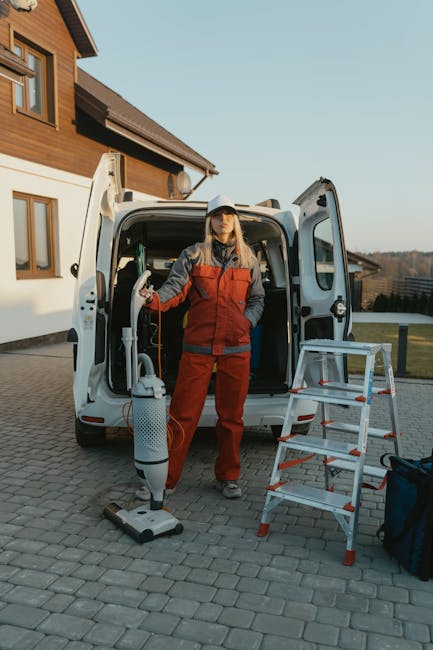
If you run a carpet cleaning van in Harringay, the paperwork can feel more complicated than the cleaning itself. One day you are loading hoses and extraction gear, the next you are wondering whether you need a permit for parking, a waste arrangement, or some other bit of local compliance you have somehow missed. Truth be told, that is a very normal worry.
This guide breaks down Licensing and permits for carpet cleaning vans in Harringay in plain English. You will get a clear view of what usually matters, what tends to trip people up, and how to stay organised without overcomplicating it. It is written for van-based cleaners, small business owners, and anyone trying to operate properly in a busy London area where parking, loading, and customer access all matter.
By the end, you should know the difference between a general business requirement, a vehicle-related issue, and a local permission problem. That distinction saves time, money, and a fair bit of stress.
Why Licensing and permits for carpet cleaning vans in Harringay Matters
At first glance, a carpet cleaning van looks simple: a vehicle, some equipment, a tank, and a customer booking. But in a place like Harringay, where streets are busy and access can be tight, the compliance side matters almost as much as the cleaning itself. You may need to think about vehicle legality, parking rules, waste handling, insurance, and how you set up work at different properties.
Why does it matter? Because the real-world consequences are not abstract. A parking issue can delay a job. A missing vehicle document can create problems if you are stopped. Poor handling of wastewater or cleaning chemicals can damage a client's trust. And if you operate without the right business basics in place, you may look unprepared even when your cleaning work is excellent.
For local customers, especially landlords, letting agents, offices, and homeowners, visible compliance is a trust signal. They notice when a van looks professional, when the company is insured, and when the team knows how to work respectfully in shared spaces. That is one reason many customers also check pages such as insurance and safety information before they book. It is not just box-ticking; it is reassurance.
Expert summary: Most carpet cleaning van issues are not about a special "carpet cleaner licence." They are about getting the vehicle, parking, waste, insurance, and business records right for the way you operate in Harringay.
How Licensing and permits for carpet cleaning vans in Harringay Works
The tricky part is that people often say "licensing" as a shortcut for several different things. In practice, you may be dealing with a mix of business registration, vehicle compliance, local parking permissions, and environmental responsibility. Some of these are legal essentials; others are operational best practice. Knowing which is which helps you avoid unnecessary applications and also stops you missing something important.
A carpet cleaning van typically needs to be roadworthy and properly insured for its use. If it carries equipment, water, detergents, and extraction systems, that should all be secured safely. If the van is used to park in busy residential streets, you may also need to understand local loading and waiting restrictions. If you regularly dispose of waste water or contaminated materials, you should have a sensible plan for lawful disposal. No drama, just proper business discipline.
There is also the customer-facing side. Many jobs take place in homes, flats, offices, and communal spaces, so the van is only one part of the picture. For example, if you do work in shared stairwells or managed buildings, it helps to know how your process fits alongside services like communal area cleaning or office cleaning, where access rules and timing can be stricter than a standard domestic visit.
Another key point: the exact permissions you need can depend on your vehicle size, where you park, how often you stop, and whether your work creates extra local impact. In other words, a small van for occasional jobs is not treated the same way as a larger vehicle that sits on-street all day with hoses running to a property.
Key Benefits and Practical Advantages
Getting the licensing and permit side right brings more than just peace of mind. It improves your day-to-day operations in ways you notice quickly.
- Fewer delays: You spend less time scrambling for parking or worrying about whether you can stop outside a property.
- Better customer trust: People feel more comfortable letting a professional van team into their home or business.
- Lower risk of fines or disputes: A compliant setup reduces unnecessary headaches.
- Stronger brand image: A tidy van with the right documents and safe working methods looks more established.
- Smoother jobs in London streets: Time matters, especially when access is tight and customer schedules are packed.
There is also a commercial upside. When you are properly set up, you can price jobs more confidently, quote more accurately, and handle awkward sites without second-guessing yourself. That is especially useful if you offer a mix of domestic and commercial work, including carpet cleaning, steam carpet cleaning, or larger commercial carpet cleaning jobs.
And let's face it, customers notice when a cleaner looks organised. A professional van, sensible paperwork, and a calm arrival beat a last-minute scramble every time.
Who This Is For and When It Makes Sense
This topic is relevant if you are any of the following:
- a sole trader carpet cleaner using a van to travel between jobs
- a small cleaning business growing into multiple vehicles
- a contractor doing specialist stain work, upholstery work, or deep cleans
- a commercial cleaner taking on offices, retail units, or managed buildings
- someone moving from domestic-only jobs into fuller service packages
It also matters if your van is doing more than "just getting you there." Once the van becomes a mobile workspace, storage unit, or equipment carrier, the compliance picture gets broader. You may be carrying water, power tools, cleaning chemicals, spare hoses, pumps, and recovery systems. That changes how you think about safety and insurance, and sometimes how you plan parking and access.
If you mainly do smaller domestic visits, perhaps linked to domestic cleaning, one-off cleaning, or end of tenancy cleaning, your compliance needs may feel simpler. But simpler is not the same as "none." A van-based cleaner still needs to get the basics right.
In Harringay, that practical reality shows up quickly. Narrower roads, residents' bays, customer timings, and shared access all make planning worth the effort.
Step-by-Step Guidance
If you are setting up or reviewing your van-based carpet cleaning operation, here is a sensible sequence to follow.
- Confirm your business setup. Make sure your trading structure, records, and basic business details are in order. This is the foundation before anything else.
- Check your vehicle documents. Verify insurance, MOT status where applicable, tax, and any equipment-specific cover. If your van is heavily loaded, be realistic about weight and payload.
- Review how you park and load. Look at the type of streets you serve, especially in Harringay. Decide where you can stop safely, how long loading takes, and whether a customer needs to reserve space for you.
- Plan waste handling. Carpet cleaning can produce dirty water, used filters, and soiled materials. You need a clear process for storing, transporting, and disposing of waste responsibly.
- Document health and safety procedures. Keep written guidance for handling chemicals, hoses, slip risks, electrical equipment, and wet surfaces. A good starting point is a clear health and safety policy.
- Check client-site rules. Some buildings may require advance notice, lift access coordination, or specific arrival windows.
- Review insurance annually. Don't assume last year's policy still fits this year's work. Equipment values, job types, and vehicle use can change fast.
- Keep a compliance folder in the van. If someone asks for proof of insurance, identity, or business details, you should be able to provide it without hunting through your phone for 20 minutes. Nobody enjoys that little moment of panic.
If your work includes specialist cleaning such as pet stain odour removal or stain removal, build those risks into your setup too. Different chemicals, different dwell times, different ventilation needs. It all adds up.
Expert Tips for Better Results
Here is where real-world experience matters. The paperwork is one thing. Running the job smoothly is another.
First tip: keep your van layout simple. A cluttered van wastes time and causes mistakes. When hoses tangle or chemicals slide around, your day gets harder for no reason. Organise tools by job type and weight, not by habit.
Second tip: separate clean and dirty equipment storage. It sounds basic, but it helps prevent contamination and keeps customer-facing equipment looking professional. A damp, grimy van smell is not a great first impression on a cold Harringay morning.
Third tip: know your access plan before arriving. If you are cleaning in flats, offices, or managed properties, check where you can unload and where you can park. That one call before the appointment can save a lot of stair-climbing and stress.
Fourth tip: keep digital copies of key documents, but also carry essential paper or offline backups. Phones fail. Signal drops. Batteries die. Annoying, but true.
Fifth tip: talk to customers about drying time and access limitations up front. This is especially useful for services like upholstery cleaning or rug cleaning, where setup, drying, and room use can affect the whole household.
One more thing: if you are pitching for regular work, such as contract visits or repeat residential appointments, good compliance can become a selling point. Customers may not ask directly about permits, but they absolutely care about professionalism.
Common Mistakes to Avoid
Most problems in this area come from assumptions. People assume the van is fine because it looks fine. Or they assume "it's only a quick stop" so parking rules do not matter. That approach tends to get expensive in a hurry.
- Assuming there is one universal carpet-cleaning licence: usually there is not. The issue is a mix of vehicle, business, parking, and safety requirements.
- Ignoring loading restrictions: even a short job can be delayed if you have nowhere lawful to stop.
- Underinsuring equipment: extraction machines and accessories can be costly to replace.
- Forgetting waste handling: dirty water and used materials should not be an afterthought.
- Not updating records: a van that has changed weight, layout, or use may need a fresh review.
- Overpromising on arrival times: in London, traffic and parking are real, not theoretical.
A small but common slip-up is failing to check how different services affect your setup. For example, if you move into after builders cleaning, the job may involve more dust, heavier residue, and more equipment. If you do regular cleaning, your travel pattern may be more predictable, but your van still needs to be maintained properly. Same business, different pressures.
People often think the risk is only a fine. Sometimes it is not. Sometimes the bigger cost is reputational. One awkward parking complaint or a messy arrival can put a client off before you even start.
Tools, Resources and Recommendations
You do not need a huge back-office system to stay organised, but a few practical tools help a lot.
- Vehicle document folder: keep insurance, maintenance records, tax reminders, and equipment inventories together.
- Job checklist: use the same loading and arrival process each time so nothing gets forgotten.
- Calendar with travel buffers: a 45-minute job in Harringay can turn into an hour and a half if parking is awkward. Build that in.
- Equipment log: record when machines were serviced, repaired, or replaced.
- Waste log: not glamorous, but genuinely useful when you need to show responsible practice.
On the customer-facing side, a clear pricing page and sensible payment process also matter. If people can see straightforward information on pricing and quotes and understand how payments are handled through payment and security, they are more likely to trust the whole operation. Small details, big effect.
If you want to explain your business standards clearly, pages such as about us and terms and conditions can also help set expectations. That sounds a bit admin-heavy, but it really does reduce disputes later.
Law, Compliance, Standards, or Best Practice
For most carpet cleaning van operators, the key is not chasing obscure permits; it is staying aligned with normal UK business and road-use expectations. That means:
- your vehicle is insured and used as declared
- your driving and parking follow local rules
- your business keeps accurate records
- your working methods reduce risks to clients, staff, and the public
- your waste and chemical handling is responsible
Best practice is to treat this as part of professional service design, not as a last-minute administrative chore. If you are handling water extraction, electrical equipment, or strong cleaning agents, the van is part of your workplace. That means the standard should be the same as for any mobile service business: plan it, document it, and review it regularly.
Customers may never ask how your compliance folder is organised. They will ask whether you can arrive on time, protect their flooring, and leave their home or business looking better than before. Compliance helps you do exactly that.
If your work includes services with more extensive cleaning needs, such as deep cleaning or commercial cleaning, best practice becomes even more important because the physical risks and access challenges increase.
Options, Methods, or Comparison Table
Below is a simple comparison of common ways van-based carpet cleaners in Harringay manage the compliance side of the business.
| Approach | What it looks like | Pros | Watch out for |
|---|---|---|---|
| Minimal setup | Basic van, basic records, ad hoc parking planning | Low admin, quick to start | Higher chance of missed details, weaker trust, more disruptions |
| Structured small-business setup | Clear insurance, job checklist, document folder, parking plan | Good balance of cost and control | Needs regular review, especially as jobs grow |
| Fully systemised operation | Written procedures, inventory logs, waste handling records, staff training | Strong professionalism and scalability | More admin, but usually worth it for busier firms |
Most local operators end up somewhere in the middle. That is fine. You do not need a corporate-sized compliance stack to run a tidy, lawful, customer-friendly carpet cleaning van. You do need enough structure to stay calm when the day gets messy.
Case Study or Real-World Example
Here is a realistic example. A two-person carpet cleaning team in Harringay uses a medium-sized van for domestic and small commercial work. At first, they treated parking as something they would "sort when they arrived." It worked fine on quiet days, but on busier streets they lost time circling the block, carrying equipment further than expected, and occasionally arriving flustered.
They then tightened up their process. They started confirming access details the day before, checking if customers could reserve a space, and creating a short checklist for vehicle documents, waste containers, and equipment loading. They also reviewed their insurance and added clearer guidance for wet-floor warnings and chemical storage.
The effect was not dramatic in a flashy way. It was better than that. The team became more consistent. Jobs started on time more often. Clients noticed that the van looked organised and the crew seemed prepared. And because the routine was better, they had fewer silly mistakes. Not zero mistakes, of course - no real business ever has zero - but far fewer.
That is the real value of getting licensing and permits sorted properly. It is not just about avoiding trouble. It is about running a cleaner, calmer, more dependable service.
Practical Checklist
Use this checklist before you head out on a job in Harringay:
- Vehicle insured for business use and current
- MOT, tax, and maintenance records checked
- Equipment secured safely inside the van
- Waste containers ready and suitable for the day's work
- Parking or loading plan confirmed
- Customer access instructions reviewed
- Health and safety notes understood
- Cleaning chemicals labelled and stored correctly
- Wet-floor signs and protective materials packed
- Pricing, quote, and payment terms clear before arrival
If you want an even smoother customer journey, make sure your service pages, such as sofa cleaning, mattress cleaning, or window cleaning, all match the way you actually work on site. Consistency reduces confusion, and that matters more than people think.
Get a free quote today and see how much you can save.
Conclusion
Licensing and permits for carpet cleaning vans in Harringay are less about chasing one magical document and more about running a sensible, legal, professional operation. If your vehicle is insured, your parking and loading are planned, your waste handling is responsible, and your records are in order, you are already ahead of many operators who rely on guesswork.
The good news is that this is manageable. Start with the basics, review them regularly, and keep the setup practical. Harringay can be a demanding place to work from a van, but it rewards people who are organised and steady. That is usually the difference between a service that just gets through the day and one that customers remember for the right reasons.
And honestly, that's a good place to be.
Frequently Asked Questions
Do I need a special licence to operate a carpet cleaning van in Harringay?
Usually, there is no single special "carpet cleaning van licence." What matters is the combination of business setup, vehicle legality, insurance, parking compliance, and safe working practice.
Are parking permits the same as business permits?
No. Parking permissions and business compliance are different things. You may need to understand local parking or loading restrictions, but that is separate from your business records and insurance.
What vehicle documents should I keep in the van?
Keep the essentials handy: insurance evidence, maintenance records, and any relevant business or job information. If you rely on digital copies, make sure they are accessible offline too.
Do I need extra insurance for carpet cleaning equipment?
In many cases, yes, it is worth checking. Standard vehicle insurance may not fully cover specialist equipment, business use, or all risks connected to mobile cleaning work.
How do I handle wastewater from carpet cleaning jobs?
You should have a clear and responsible process for collecting, storing, transporting, and disposing of wastewater. The exact method depends on the job, but it should never be improvised at the last minute.
Does operating in Harringay create any special compliance issues?
The main issue is practical access. Harringay streets can be busy, parking may be tight, and customer buildings may have specific rules. Good planning matters more here than in quieter areas.
What if I only do occasional carpet cleaning jobs?
Even occasional work needs proper vehicle insurance, sensible loading, and safe practices. Smaller volume does not remove the need for compliance; it just changes the scale.
Should I have a written health and safety policy?
It is a very good idea. A clear written policy helps you manage wet floors, chemicals, equipment, and customer-site risks consistently. It also shows professionalism.
How often should I review my van setup?
At least annually, and sooner if your workload changes, your vehicle changes, or you add new services. If you expand into larger jobs, review everything again.
Can better compliance actually help me win more work?
Absolutely. Many clients do not ask directly about permits, but they notice organisation, punctuality, and professionalism. Those things win trust fast.
Is there a difference between domestic and commercial van work?
Yes. Commercial jobs often involve stricter access rules, timing windows, and site expectations. Domestic work can be more flexible, but the vehicle and safety basics still apply.
What is the most common mistake new operators make?
Assuming the van is only a transport tool. Once it carries equipment, chemicals, and waste, it becomes part of the workplace. That shift changes the compliance picture quite a bit.
If you are building a reliable carpet cleaning service in Harringay, keeping the van side clean and compliant is one of the simplest ways to look professional every single day.